



Navigating complex spatial audio wireless earbud hardware platforms across modern acoustic engineering channels, consumer electronics manufacturing hubs, personal audio technology ecosystems, and high-end enterprise audio environments represents an essential strategic priority for audio hardware architects, digital signal processing engineers, acoustic research directors, and premium consumer electronics product leads aiming to deliver immersive three-dimensional soundscapes, low-latency spatial tracking, crystal-clear acoustic fidelity, and continuous user engagement across personal entertainment and enterprise collaboration workflows.
The rapid expansion of dynamic head-tracking sensor arrays, multi-core digital signal processing architectures, active acoustic beamforming microphone grids, ultra-low-power wireless communications, and advanced acoustic enclosure designs creates immense technical complexity for audio system designers, firmware developers, acoustic tuning specialists, and hardware manufacturing managers.
Audio brands attempting to render real-time spatialized sound fields, deploy head-related transfer function algorithms, stream high-resolution lossy or lossless digital audio, and maintain active noise cancellation routines without implementing specialized multi-axis inertial measurement units, custom DSP execution pipelines, adaptive acoustic impedance matching, or high-capacity solid-state lithium-ion battery management engines face severe acoustic distortion, high audio latency, rapid battery depletion, and user ear fatigue.
Relying on uncoordinated off-the-shelf Bluetooth controllers, uncalibrated dual-driver arrays, or generic acoustic chamber configurations exposes earbud product lines to flat soundstages, inconsistent head-tracking accuracy, wireless connection dropouts, and immediate market rejection across discerning audiophile and enterprise user bases. Forward-thinking audio technology companies, acoustic research laboratories, and consumer electronics executives recognize that establishing market leadership in spatial audio demands adopting institutional-grade earbud hardware engineering frameworks.
These sophisticated wearable audio systems combine custom balanced armature or dynamic driver configurations, high-precision six-axis inertial measurement units, hardware-accelerated spatial rendering chips, multi-microphone beamforming networks, and low-power high-definition wireless audio transmission chips into a seamless, high-performance acoustic architecture. By executing a disciplined spatial audio earbud hardware strategy, modern original equipment manufacturers, premium headphone brands, and enterprise communication hardware vendors systematically eliminate spatial rendering latency, elevate acoustic channel separation, optimize power utilization across compute nodes, and insulate sensitive wireless audio streams against electromagnetic interference.
Moving far beyond traditional stereo sound reproduction or basic active noise cancellation, advanced spatial audio hardware platforms continuously analyze user head orientation, model complex acoustic reflections, recalibrate localized spatial audio cues in real time, and deliver an extraordinary, lifelike auditory experience directly to the end user. For ambitious audio equipment manufacturers, cloud collaboration software platforms, gaming hardware providers, and luxury consumer tech brands, mastering spatial audio earbud hardware represents a high-impact product implementation that commands premium retail pricing, expands recurring software ecosystem revenue, protects proprietary acoustic intellectual property, and elevates overall brand prestige.
As spatial computing interfaces, immersive virtual meetings, high-definition spatial gaming, and interactive mobile entertainment become standard expectations for modern digital consumers, securing complete operational command over your spatial audio earbud hardware architecture is essential for enduring market dominance. This comprehensive technical guide evaluates core acoustic driver engineering, spatial rendering DSP integration, head-tracking inertial sensor fusion, and low-latency wireless transmission protocols needed to deploy resilient spatial audio earbuds, equipping engineering teams with a complete execution blueprint to transform advanced acoustic theory into high-value commercial hardware assets.
By leveraging high-coercivity neodymium dynamic drivers, dedicated spatial audio processing silicon, and low-loss acoustic micro-chambers today, audio technology leaders overcome spatial rendering friction, optimize acoustic power efficiency, and establish an enduring foundation for long-term commercial dominance.
High Coercivity Dynamic Drivers And Balanced Armature Acoustic Arrays

Mastering spatial audio earbud hardware begins with deploying custom high-coercivity dynamic drivers combined with precision balanced armature arrays inside micro-acoustic enclosures. Modern spatial earbuds utilize hybrid driver configurations to reproduce deep sub-bass resonances and crystal-clear high-frequency spatial cues simultaneously.
A. High-flux neodymium magnet assemblies drive ultra-thin polymer diaphragms rapidly, generating tight, distortion-free low-frequency pressure waves within compact acoustic chambers. B. Custom balanced armature drivers handle mid-to-high frequency bands with high transient response accuracy, preserving delicate spatial cues essential for spatial perception. C. Precision acoustic crossover networks divide incoming digital audio signals cleanly, ensuring smooth frequency transitions across hybrid driver structures without phase cancellation.
Deploying hybrid driver topologies delivers immediate acoustic channel separation and wide frequency response gains across spatialized audio playback channels. Engineering teams achieve deep spatial soundstage separation while maintaining pristine vocal clarity and low total harmonic distortion.
High Precision Inertial Measurement Units And Dynamic Head Tracking
Accurate spatial audio localization relies on low-latency six-axis inertial measurement units integrated directly into each earbud chassis. Advanced dynamic head-tracking hardware tracks subtle head rotations and tilt vectors continuously, shifting virtual sound sources instantly to lock audio elements to fixed spatial coordinates.
A. Micro-electro-mechanical six-axis sensor chips combine three-axis gyroscopes and three-axis accelerometers to capture angular velocity and head orientation changes in real time. B. Low-latency sensor fusion algorithms compute spatial orientation vectors at high polling rates, keeping audio rendering latency well below human perception thresholds. C. Automatic drift correction routines recalibrate sensor baseline zero-points dynamically during continuous wear, preventing spatial soundstage drift over long listening sessions.
Integrating high-precision inertial measurement units eliminates spatial lag during sudden head movements and interactive gaming. Technical development teams deliver realistic three-dimensional soundscapes that mirror natural human acoustic perception effortlessly.
Hardware Accelerated Spatial Audio DSP Engines And HRTF Rendering
Rendering realistic spatialized sound fields in real time demands dedicated digital signal processing silicon optimized for complex spatial audio calculations. Hardware-accelerated DSP engines run complex head-related transfer function filters locally on the earbud, reducing host device processing overhead.
A. Dedicated spatial audio compute blocks calculate binaural room impulse responses in real time, simulating natural room acoustics and sound reflections accurately. B. Custom hardware vector multipliers apply individualized head-related transfer function curves simultaneously across multi-channel audio feeds with ultra-low compute cycles. C. Dynamic distance attenuation modeling engines calculate spatial sound degradation dynamically, replicating lifelike depth and proximity effects for virtual sound objects.
Utilizing dedicated hardware spatial DSP engines offloads intensive spatial processing tasks from connected smartphone host processors. Audio software platforms stream complex spatialized audio content seamlessly without suffering from high transmission bandwidth spikes.
Multi Microphone Beamforming Arrays And Hybrid Active Noise Control
Preserving spatial soundstage clarity within noisy real-world environments requires hybrid active noise cancellation networks and multi-microphone beamforming arrays. Strategic microphone placement captures ambient noise profiles externally and internal ear canal reflections simultaneously for adaptive noise suppression.
A. External feedforward microphones capture ambient environmental noise vectors, generating inverted acoustic anti-noise waveforms to cancel outside interference. B. Internal feedback microphones monitor residual noise within the ear canal cavity continuously, adjusting anti-noise filters dynamically to match individual ear fit. C. Adaptive spatial beamforming microphone grids isolate the user’s voice during telephone calls, cancelling surrounding ambient noise and wind turbulence effectively.
Deploying hybrid active noise cancellation networks preserves subtle spatial audio cues even in loud surroundings. Users experience immersive three-dimensional soundscapes without cranked-up volume levels that cause long-term hearing fatigue.
Micro Acoustic Chamber Design And Impedance Venting Physics
Optimizing acoustic frequency response and spatial soundstage width depends on precision micro-acoustic chamber geometries and controlled bass venting ports. Custom internal earbud enclosures prevent unwanted acoustic standing waves and pressure buildup within the user’s ear canal.
A. Laser-etched acoustic pressure relief vents equalize internal ear canal air pressure during extended wear, preventing listening fatigue and occlusion effects. B. Tuned Helmholtz resonance chambers absorb harsh mid-frequency acoustic spikes automatically, delivering smooth, natural frequency response curves across playback modes. C. High-density acoustic damping materials line internal chamber walls, eliminating internal cabinet resonance and standing wave reflections inside the housing.
Implementing micro-acoustic pressure management engineering improves bass extension and spatial transparency across all listening modes. Hardware engineering leads maintain consistent acoustic performance across varied user ear anatomy profiles.
Ultra Low Power High Definition Wireless Audio Transmission Protocols
Transmitting high-resolution spatial audio streams without latency spikes requires low-energy wireless audio chipsets supporting high-bandwidth audio codecs. Advanced wireless architectures maintain stable, low-latency connection links between left and right earbuds and connected host devices.
A. High-bandwidth wireless audio codecs stream high-bitrate multi-channel digital audio with minimal compression artifacts and low end-to-end transmission delay. B. Dynamic packet retransmission algorithms recover dropped wireless packets instantly, preventing audio stutter or spatial image collapse during wireless interference. C. True dual-channel synchronization protocols stream discrete left and right audio channels directly from host processors, eliminating inter-ear wireless latency mismatch.
Utilizing low-latency wireless transmission protocols delivers lip-sync accuracy during spatial video playback and interactive gaming sessions. Users enjoy wireless freedom without sacrificing pristine high-resolution spatial audio quality.
Advanced Ergonomic Housing Materials And Biocompatible Seals
Ensuring long-term wearing comfort and acoustic isolation demands lightweight ergonomic housing materials and medical-grade silicone ear tips. Premium earbud enclosures utilize biocompatible polymers and lightweight alloys to withstand daily sweat, moisture, and mechanical drops.
A. Medical-grade liquid silicone ear tips conform snugly to varying ear canal shapes, creating tight acoustic seals essential for deep bass response. B. Micro-textured matte surface finishes prevent earbud slipping during vigorous physical exercise or high-humidity outdoor usage. C. Durable IPX-rated water and dust resistant seals protect internal acoustic drivers and electronic circuit boards against moisture damage.
Deploying ergonomic biocompatible materials guarantees secure, pressure-free ear fit during all-day enterprise wear or active athletic training. Product development teams maximize passive noise isolation while maintaining high long-term wearability scores.
Intelligent Solid State Battery Management And Charging Hardware
Sustaining continuous spatial audio processing demands high-density lithium-ion micro-batteries paired with intelligent power management integrated circuits. Smart battery hardware manages charging rates, monitors cell health, and scales compute power dynamically based on remaining energy reserves.
A. High-energy-density micro-battery cells provide up to eight hours of continuous spatial audio playback with active noise cancellation enabled on a single charge. B. Ultra-fast charging power management circuits replenish hours of playback capacity within minutes of resting inside the accompanying smart charging case. C. Dynamic power gating networks shut down idle sensor blocks and processing cores instantly when earbuds are removed from the user’s ears.
Integrating intelligent energy management hardware eliminates battery anxiety for power users and frequent business travelers. Audio equipment vendors deliver multi-day total operational battery life using compact, highly portable wireless charging cases.
Automated Acoustic Calibration Telemetry And Individualized Tuning
Customizing spatial audio delivery to individual ear anatomy relies on automated acoustic calibration routines and companion mobile tuning software. Internal feedback microphones analyze test tone reflections within the ear canal to build customized acoustic profiles automatically.
A. In-ear acoustic test tone bursts measure individual ear canal resonance characteristics, adjusting internal graphic equalization curves to flatten frequency response. B. Personalized head-related transfer function calibration sweeps map individual pinna geometry variations using smartphone camera arrays for hyper-realistic spatial accuracy. C. Real-time seal testing utilities notify users when ear tips are seated improperly, guaranteeing optimal active noise cancellation and spatial soundstage rendering.
Enforcing automated acoustic calibration ensures optimal spatial rendering regardless of individual anatomical variations. Consumers enjoy bespoke, audiophile-grade spatial audio playback configured specifically for their unique ear structures.
Quantitative Infrastructure ROI And Commercialization Strategy
Evaluating spatial audio earbud hardware investments through structured financial modeling converts acoustic research spending into a high-yield product deployment strategy. Comprehensive business models calculate component bill-of-materials costs, premium retail margin structures, and ecosystem software revenue accurately.
A. Hardware bill-of-materials cost optimization models balance custom driver and DSP chip costs against targeted premium consumer price tiers. B. Ecosystem software subscription frameworks quantify recurring revenue generated by bundling spatial audio earbuds with spatial music and movie streaming services. C. Brand differentiation value calculators evaluate consumer market share gains achieved by offering cutting-edge spatial audio hardware ahead of market competitors.
Validating spatial audio technology investments through clear financial and market metrics provides executive leadership teams with complete confidence before committing manufacturing resources. Visionary audio equipment manufacturers build highly competitive, premium spatial audio product lines engineered for long-term commercial dominance.
Conclusion
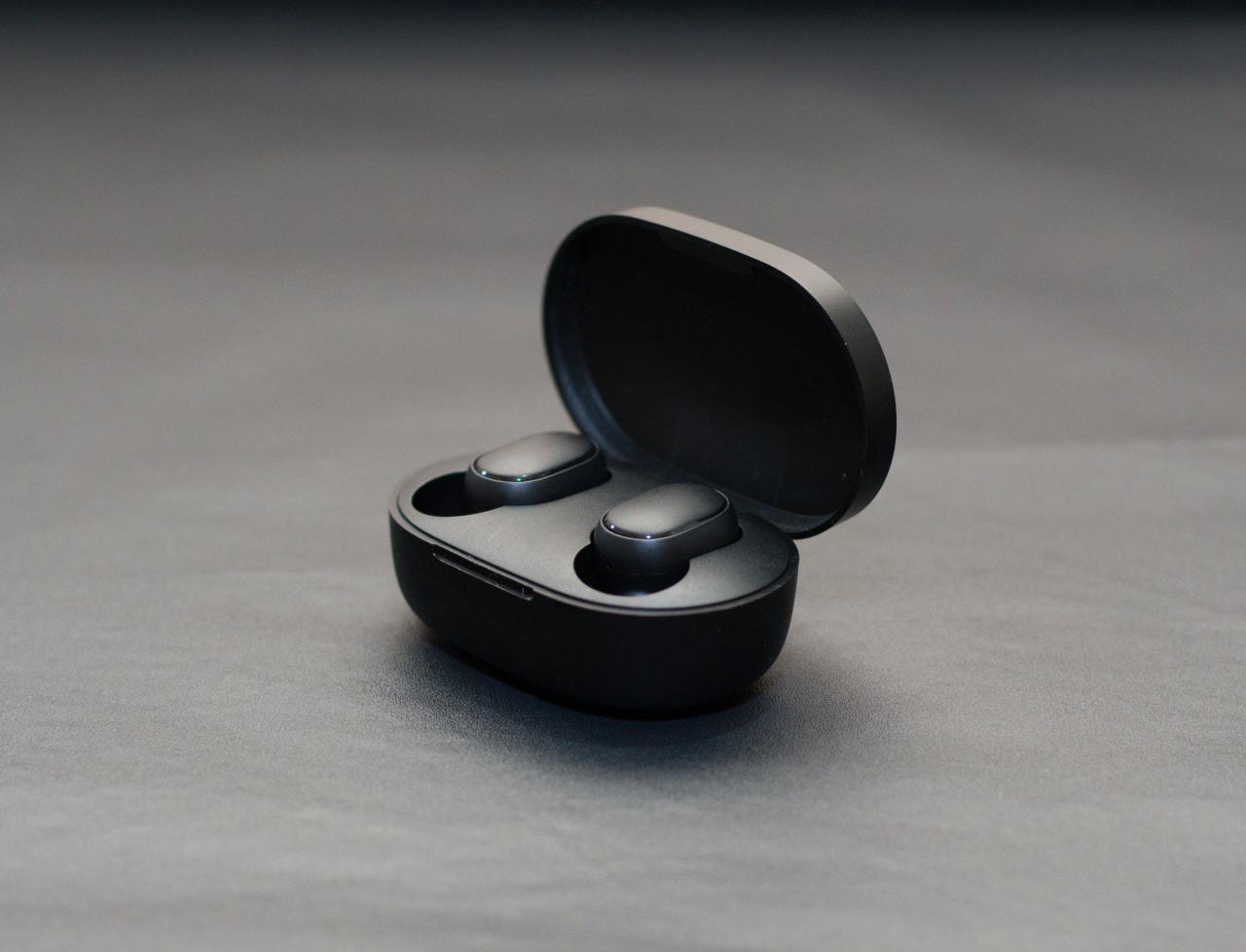
Deploying an enterprise spatial audio wireless earbud hardware architecture represents a vital strategic initiative for modern audio technology manufacturers. Integrating custom hybrid acoustic drivers into micro-enclosures enables crystal-clear multi-channel sound reproduction across deep bass and high spatial frequencies. Establishing high-precision inertial measurement units enables dynamic head tracking that locks spatial sound sources accurately to user orientation changes.
Applying dedicated hardware spatial DSP acceleration offloads intensive binaural rendering calculations from connected host mobile processors. Enforcing strict micro-acoustic pressure management engineering prevents listening fatigue and ear canal pressure buildup during extended listening sessions. Advanced hybrid noise cancellation networks, low-latency wireless codecs, and automated acoustic calibration software make spatial earbuds exceptionally immersive.
Taking complete operational command over your spatial audio earbud hardware engineering stack creates a strong foundation for long-term commercial audio innovation. Active acoustic research, custom silicon integration, and precision manufacturing turn complex spatial sound theory into highly desirable, premium consumer audio hardware. Your brand’s future audio market share and premium hardware reputation depend directly on the quality of the spatial audio architectures you deploy today.


